Vitamin B1, also known as thiamine, is not just a nutrient; it’s a cornerstone for maintaining heart health and overall vitality. With cardiovascular diseases posing significant health risks globally, understanding and optimizing thiamine intake is more crucial than ever. This article delves into the heart-health benefits of Vitamin B1 and explains why a daily dose of 15mg could be particularly beneficial.
The Heart of the Matter: Understanding Vitamin B1
Thiamine is essential for converting food into energy, aiding in the metabolism of proteins and fats, and ensuring the nervous and cardiovascular systems function effectively. It’s particularly vital for the health of myocardial cells and the nervous system, which play direct roles in heart function and health.
Why 15mg of Vitamin B1?
The Recommended Dietary Allowance (RDA) for Vitamin B1 varies, but for enhancing heart health, especially in individuals with certain health conditions or those at higher risk of cardiovascular diseases, a higher intake may be beneficial. A higher daily dose of 15mg of Vitamin B1 can significantly support cardiac function in several ways:
Energy Production for the Heart: Thiamine plays a crucial role in metabolizing carbohydrates, essential for generating energy for the body. It helps in the conversion of nutrients into energy, supporting various bodily functions.
The heart is a tireless worker, beating around 100,000 times a day. Thiamine is crucial for the energy production pathways that keep the heart muscle active and efficient. Higher doses can ensure that the heart has enough energy to perform its vital functions.
Heart Health: Thiamine contributes to the healthy functioning of the heart by supporting the nervous system’s control over muscle contraction, including the heart muscle. It also helps in maintaining proper electrolyte balance in the heart.
Nervous System Support: Thiamine plays a critical role in the functioning of the nervous system, which regulates heart rate and blood pressure. Adequate levels of thiamine help maintain the nervous system’s health, ensuring it can properly manage heart function.
Antioxidant Protection: While not a traditional antioxidant, thiamine can contribute to reducing oxidative stress in the heart and blood vessels. Oxidative stress is a key factor in the development of heart disease, and managing it can help maintain cardiovascular health.
Reduced Risk of Diabetes Complications: In individuals with diabetes or those at risk for metabolic syndrome, higher doses of thiamine have been shown to improve glucose metabolism and reduce the risk of developing heart-related complications.
Brain Function: Adequate levels of thiamine are crucial for cognitive activities, including learning and memory. It has been studied for its role in reducing the risk of cognitive decline and supporting brain health.
Food Sources and Supplementation
While foods like whole grains, pork, fish, nuts, and seeds contain thiamine, achieving a daily intake of 15mg through diet alone can be challenging. This is where supplementation comes in, ensuring that you can reach the optimal intake for heart health without significantly altering your diet.
Signs of Deficiency and the Heart
A deficiency in Vitamin B1 can lead to beriberi, a condition that affects the cardiovascular system and can cause severe heart problems. Symptoms include difficulty breathing, swollen feet or legs, and an enlarged heart. Ensuring adequate thiamine intake is crucial in preventing these issues.
Incorporating 15mg of Vitamin B1 for Heart Health
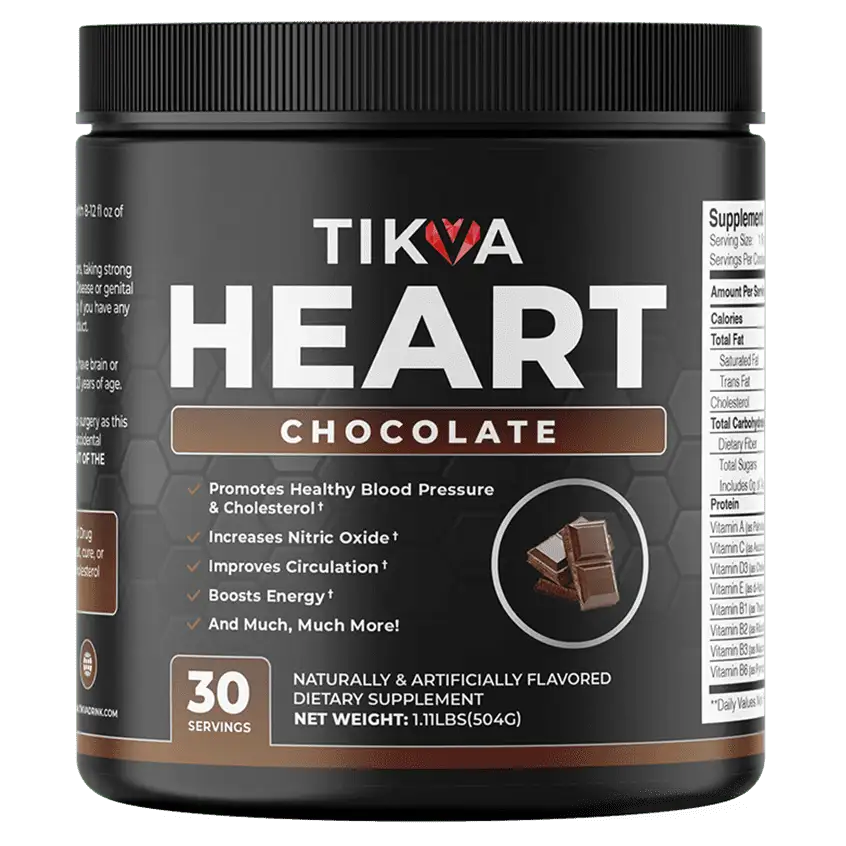
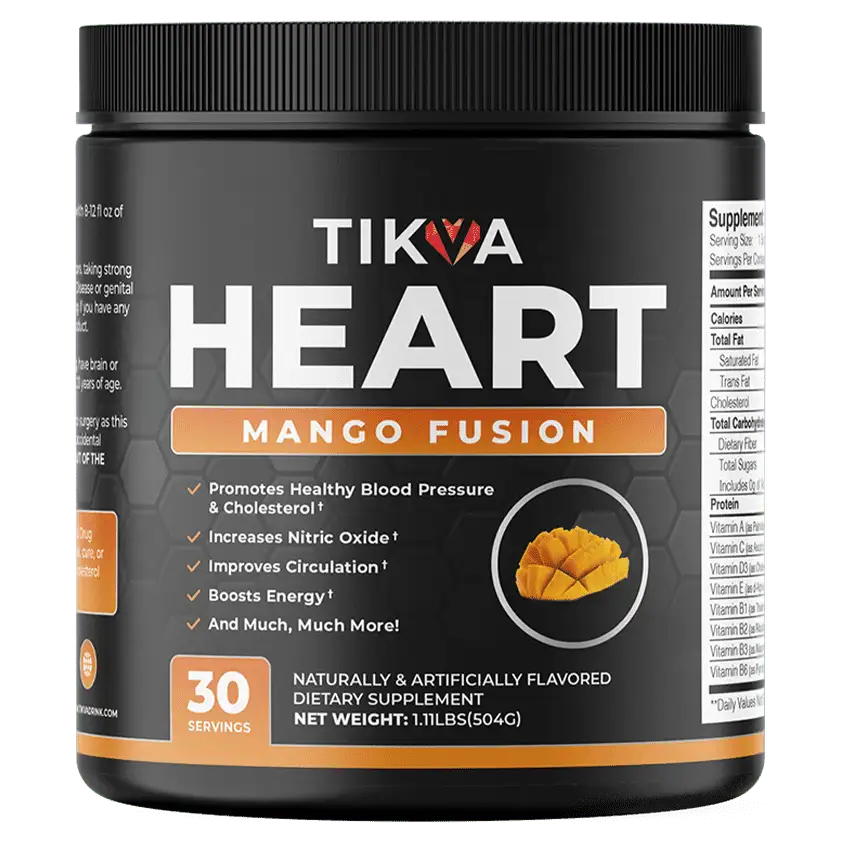
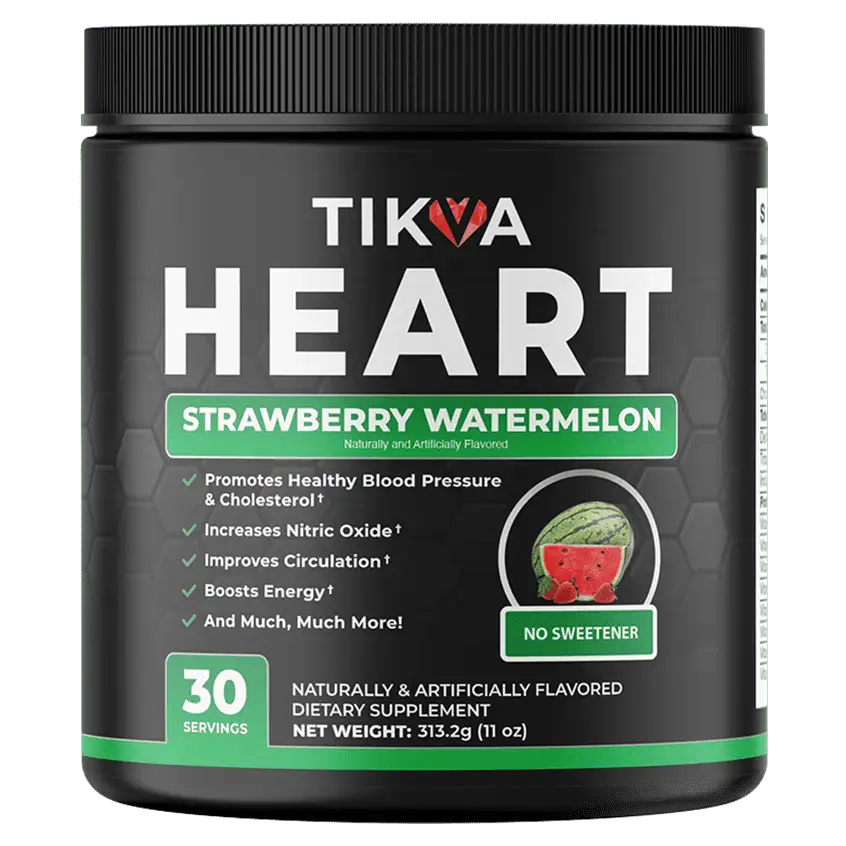
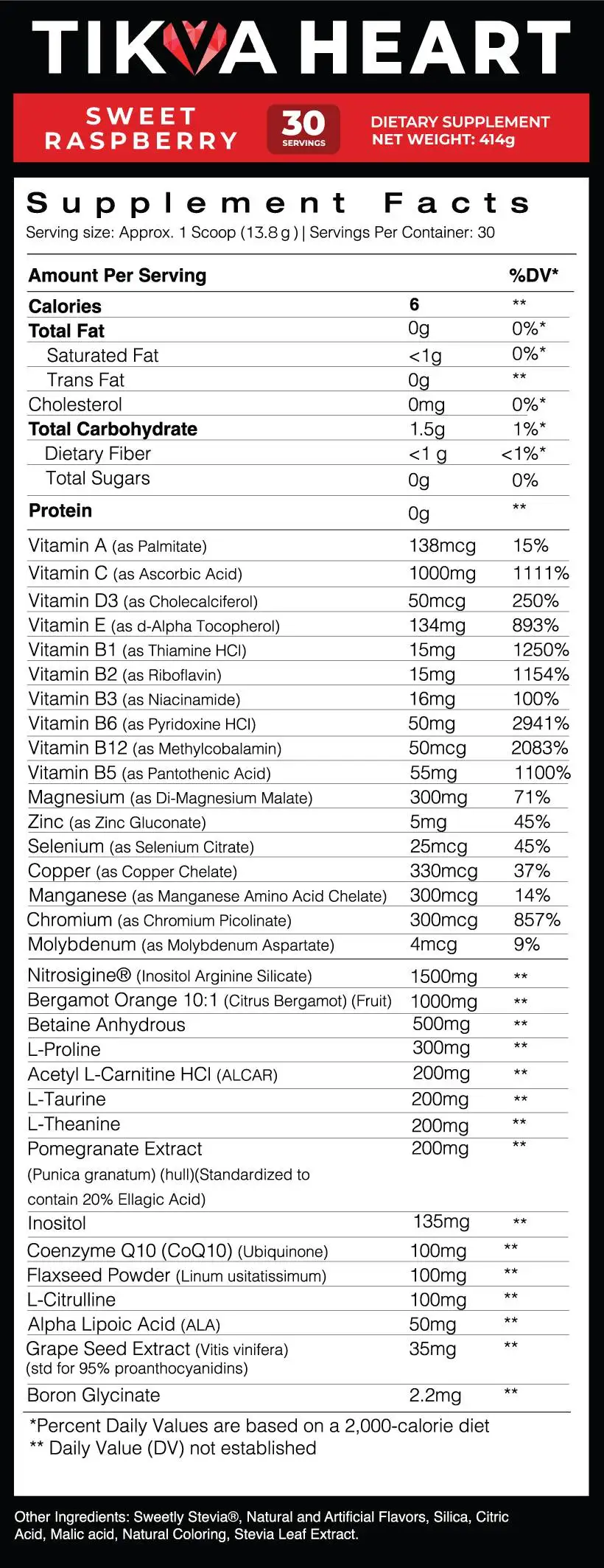
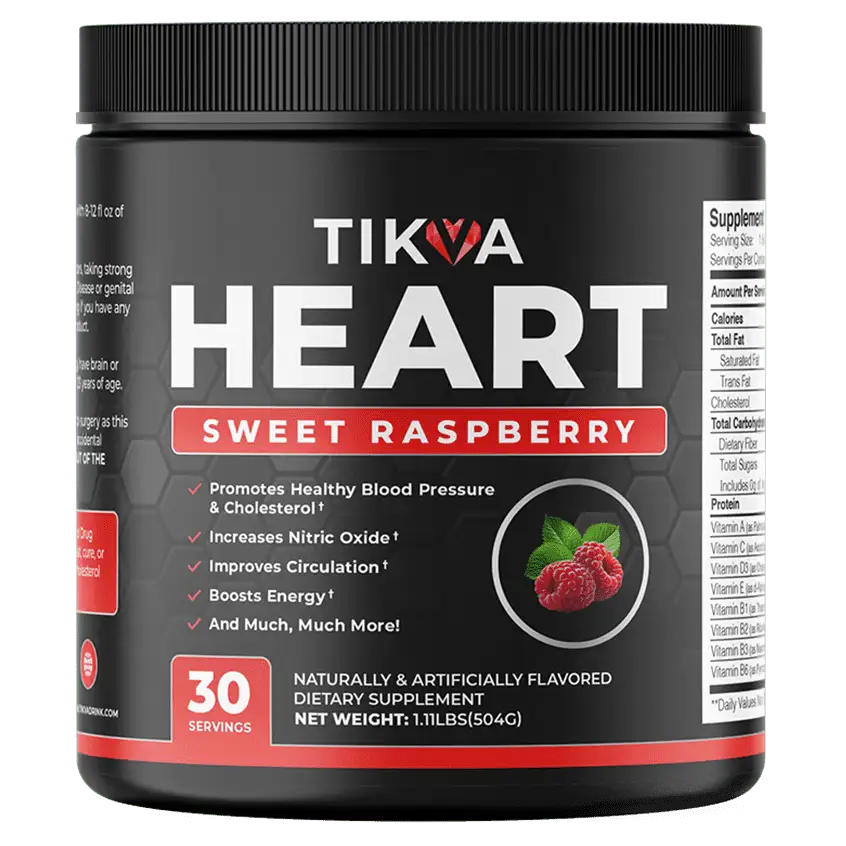
Incorporating a supplement like TIKVA HEART, which provides 15mg of Vitamin B1, ensures you meet the optimal intake for heart health. This dosage supports energy production in the heart, helps regulate the nervous system’s control over heart function, and offers protection against oxidative stress.
Key Takeaways
Emphasizing the importance of thiamine for heart health, especially at a dose of 15mg daily, can make a significant difference in cardiovascular well-being, underscoring the power of this essential nutrient in supporting heart function and overall health.
TIKVA HEART is a combination of 32 vitamins, amino acids, minerals, antioxidants and superfoods that target the 12 leading risk factors of cardiovascular disease, including high blood pressure, high cholesterol, heart attacks and strokes.
TIKVA HEART uses 15mg of Vitamin B1.
To learn more about TIKVA HEART and all its benefits
Citations:
[1] Journal of the American College of Cardiology: “Thiamine and Heart Disease: A Vital Connection.”
[2] Diabetes Care: “Thiamine and Cardiovascular Risk in Diabetics.”
[3] American Journal of Clinical Nutrition: “The Impact of Thiamine Treatment in the Diabetes Mellitus.”
[4] Journal of Neurology, Neurosurgery, and Psychiatry:
L-Theanine
L-theanine in tea leaves supports heart health by reducing stress, promoting relaxation, and enhancing mood
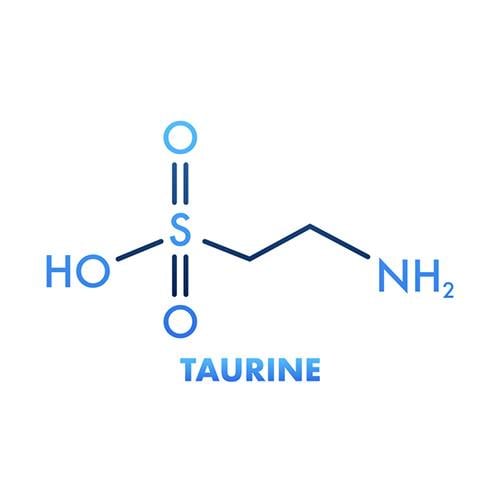
L-Taurine
L-taurine supports heart health and muscle function, benefiting cardiovascular wellness and exercise performance.

L-Proline
L-proline is crucial for collagen production, supporting healthy skin, joints, and connective tissues

L-Citrulline
L-citrulline increases nitric oxide production, enhances blood flow, and improves exercise performance.
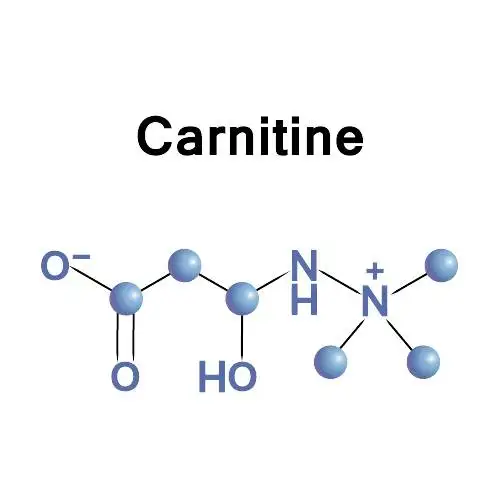
Acetyl L-Carnitine
Acetyl L-carnitine supports energy production and brain function, aiding in fat metabolism and cognitive health.
Learn More About L-Carnitine – Click Here
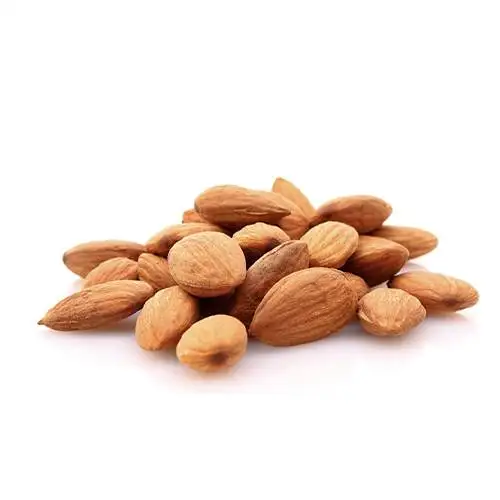
Boron
Boron helps regulate blood pressure & improve bone density.
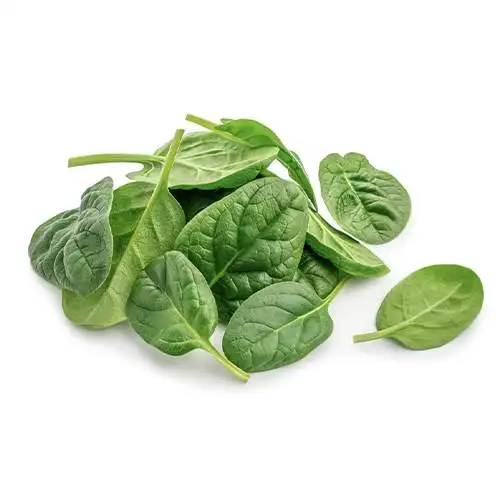
Betaine (Trimethylglycine)
Betaine supports heart health by lowering homocysteine levels, supporting liver function, and enhancing exercise performance.
Learn More About Betaine – Click Here
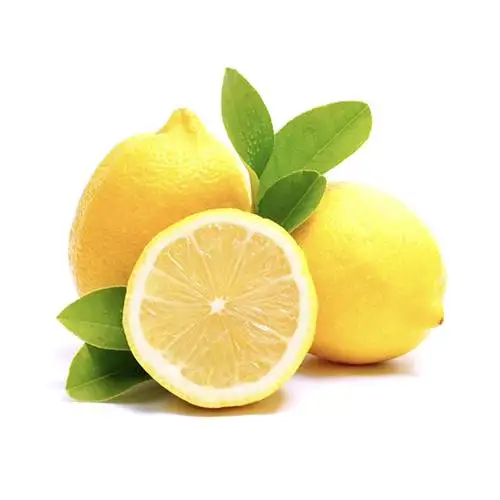
Inositol
Inositol supports heart health, mood, and reproductive health, potentially aiding conditions like diabetes & depression
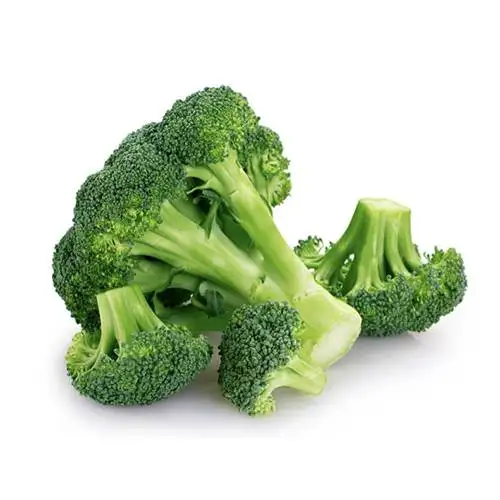
Alpha Lipoic Acid
Alpha lipoic acid, a potent antioxidant, supports heart health by reducing oxidative stress, improving insulin sensitivity, and benefiting nerve health.
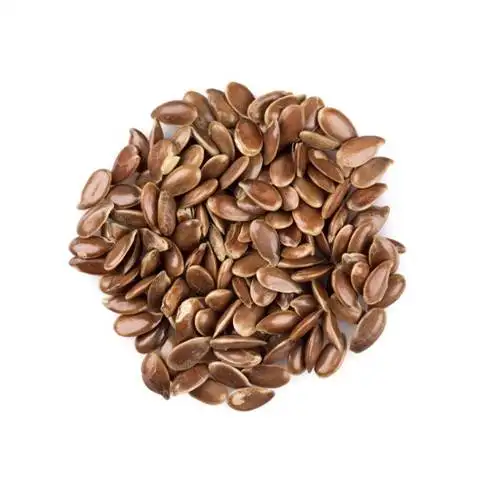
Flax Seed Powder
Flaxseed powder, high in omega-3 fatty acids and lignans, supports heart health by lowering cholesterol, reducing inflammation, and aiding digestion.

Grape Seed Extract
Grape Seed Extract lowers blood pressure, reduces oxidative damage & improves circulation
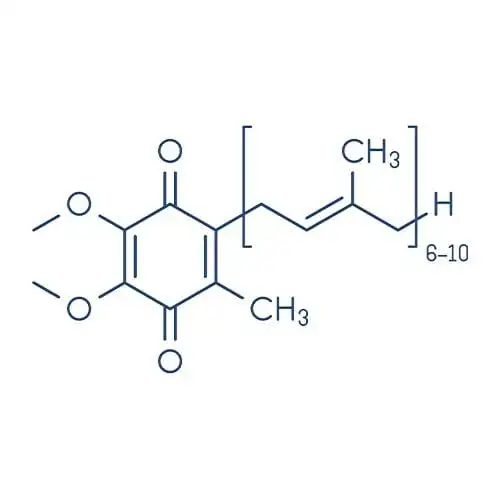
Coenzyme Q10
CoQ10 is an antioxidant that supports cellular energy & heart health
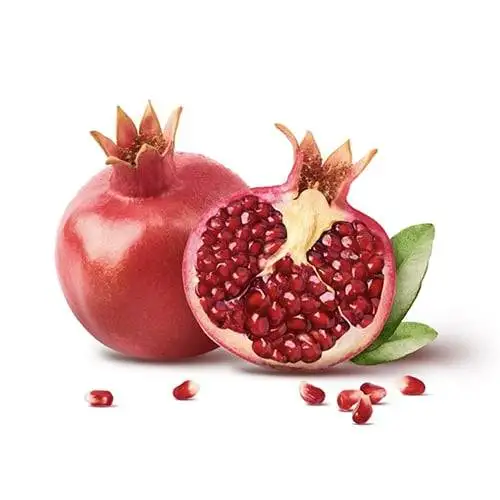
Pomegranate
Pomegranate rich in antioxidants is shown to improve blood pressure and cholesterol

Citrus Bergamot
Citrus Bergamot is renowned for its powerful cholesterol-lowering & antioxidant properties.
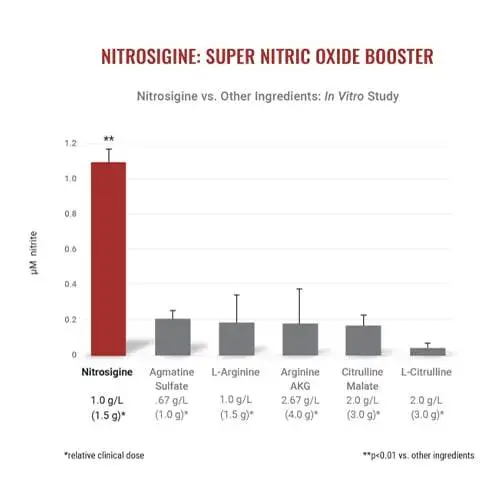
Nitrosigine
Nitrosigine is a patented inositol stabilized arginine silicate shown to:

Molybdenum
Molybdenum is essential for enzyme function, particularly in metabolizing carbohydrates and detoxifying harmful substances.
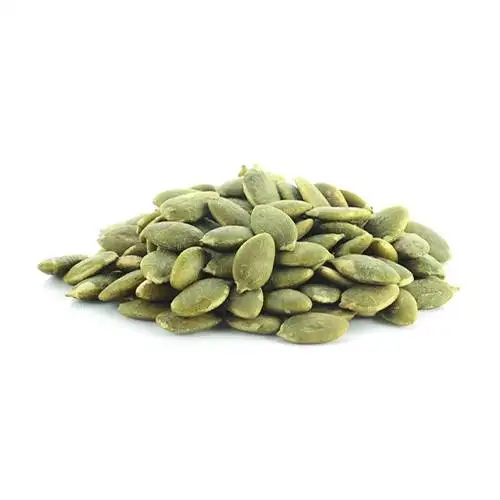
Manganese
Manganese reduces oxidative stress, aids bone formation, and promotes overall well-being.
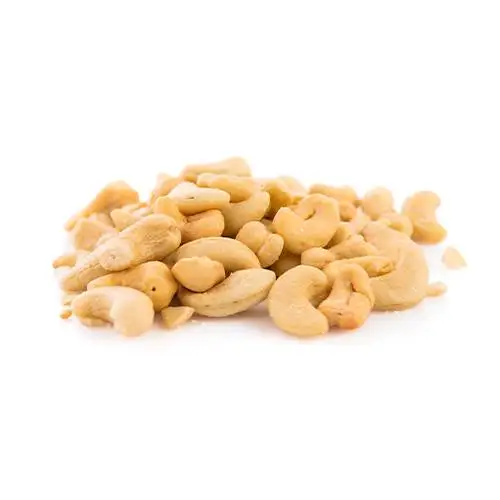
Copper
Copper is crucial for proper enzyme function, iron metabolism, and maintaining healthy connective tissues.

Selenium
Selenium is a potent antioxidant that supports thyroid function and heart health by reducing inflammation and improving lipid profiles.
Chromium
Chromium supports heart health by improving insulin sensitivity, regulating blood sugar, and aiding weight management, especially for those with diabetes.
Zinc
Zinc is crucial for immunity, wound healing, and heart health, while also reducing inflammation and protecting against oxidative stress.

Magnesium
Magnesium is important for heart health and rhythm, playing key roles in muscle function, energy production, and bone strength.
Vitamin E, a potent antioxidant, protects cells, supports immunity, and promotes heart health

Vitamin D3
Vitamin D3 is vital for heart health, immunity, mood regulation & absorption of essential minerals
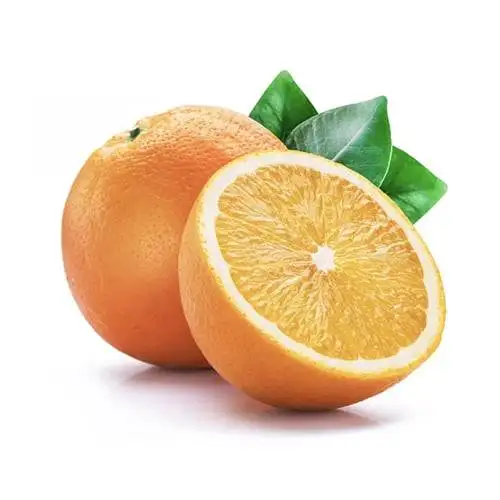
Vitamin C
Vitamin C is best know for its antioxidant and immune boosting effects

Vitamin B12
Vitamin B12 aids in red blood cell production and regulating homocysteine levels.

Vitamin B6
Vitamin B6 is important for homocysteine metabolism, neurotransmitter synthesis, and immune function, supporting overall cardiovascular function and well-being.

Vitamin B5
Vitamin B5 (pantothenic acid) is essential for energy metabolism, hormone synthesis, and overall cellular function.
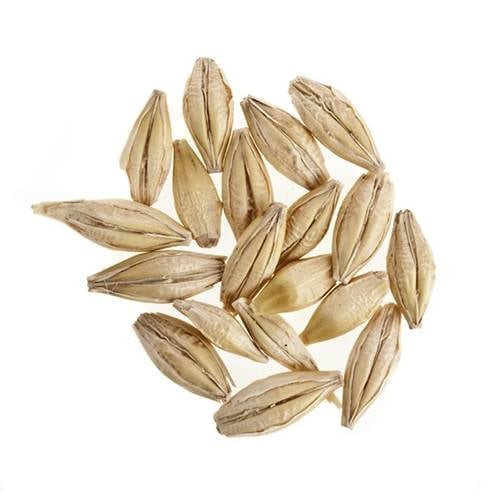
Vitamin B3
Vitamin B3 (niacinamide) improves cardiovascular health, overall health, metabolism and cellular function
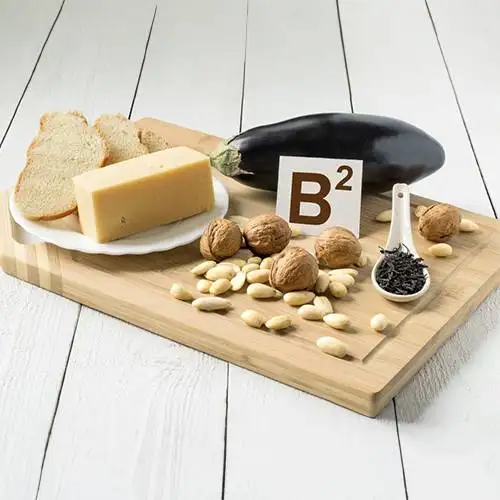
Vitamin B2
Vitamin B2 (Riboflavin) supports energy metabolism &antioxidant defense mechanisms, essential for maintaining cardiac function and overall well-being
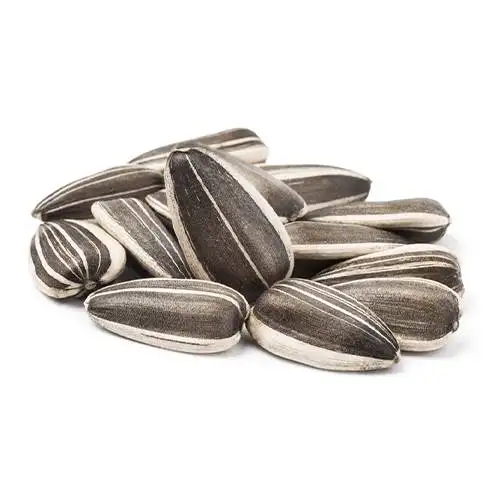
Vitamin B1
Vitamin B1 (Thiamin), is important for energy metabolism, nerve function & heart health
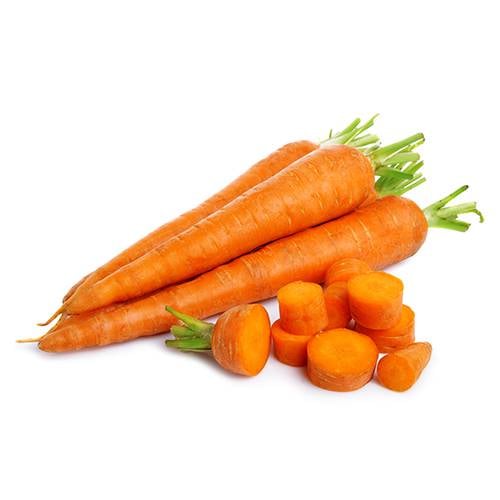
Vitamin A
Vitamin A is essential for maintaining healthy vision, supporting immune function, and promoting cell growth and development.
Looks like you haven't made a choice yet.