You’ve probably heard the old adage that carrots can improve your vision in the dark. While it’s not entirely true, there’s some science behind it. Carrots contain beta-carotene, a precursor to vitamin A, which plays a crucial role in maintaining healthy eyesight, among other benefits. Let’s dive into the world of vitamin A and explore its numerous health benefits.
Understanding Vitamin A
Vitamin A is essential for various bodily functions, including supporting eye health, enhancing immune function, maintaining bone integrity, and regulating cell growth and division. There are two primary forms of vitamin A: preformed vitamin A (found in animal products and supplements) and provitamin A carotenoids (found in plant foods). Carotenoids like beta-carotene, lycopene, lutein, and zeaxanthin are converted into vitamin A in the body as needed.
Recommended Intake
The Recommended Dietary Allowance (RDA) for vitamin A varies based on age and gender. For adults, it ranges from 700 to 900 micrograms of retinol activity equivalents (RAE) per day. It’s important to note that vitamin A toxicity can occur with excessive intake, so it’s crucial to adhere to the recommended levels.
Health Benefits of Vitamin A
Growth and Development: The nutrient is necessary for the growth and development of cells and tissues. It is critical during embryonic development for the proper formation of the heart, lungs, kidneys, and other organs. Research has demonstrated the importance of adequate vitamin A intake during pregnancy for the development of the fetus and the prevention of birth defects【3】.
Skin and Cellular Health: Vitamin A contributes to skin health and cellular repair. It aids in the production and maintenance of skin cells, and its anti-inflammatory properties can be beneficial for conditions like acne. Clinical trials have shown that derivatives of vitamin A, such as retinoids, are effective treatments for acne and other skin conditions【4】.
Antioxidant Properties: Some forms of vitamin A have antioxidant properties that help neutralize harmful free radicals in the body. This can reduce inflammation and is associated with a lower risk of chronic diseases such as heart disease. Research suggests that the antioxidant properties of vitamin A and its derivatives may contribute to cardiovascular health by preventing the oxidation of cholesterol, which is a key factor in the development of atherosclerosis.【5】.
Cardiovascular Health: There is growing evidence to suggest that vitamin A may have benefits for cardiovascular health. Some studies have found that higher levels of beta-carotene (a type of provitamin A) are associated with a reduced risk of cardiovascular disease. This effect is thought to be related to the antioxidant properties of beta-carotene, which can help reduce oxidative stress and inflammation, factors that contribute to heart disease. However, it’s important to note that the evidence is mixed, and excessive intake of vitamin A can be harmful, so it should be consumed in moderation【6】.
Food Sources
You can obtain vitamin A from a variety of foods, including leafy greens, orange and yellow vegetables, fruits, dairy products, fish oils, and fortified foods. Incorporating a diverse range of these foods into your diet ensures adequate vitamin A intake.
Signs of Deficiency and Toxicity
Vitamin A deficiency is rare in developed countries but can lead to symptoms such as night blindness, dry skin, and impaired immune function. Conversely, excessive vitamin A intake can cause toxicity, resulting in symptoms like blurred vision, bone pain, and nausea.
Key Takeaways
Vitamin A is crucial for maintaining overall health, particularly eye health, immune function, and bone integrity.
Consuming a balanced diet rich in vitamin A-rich foods is the best way to meet your nutritional needs.
Be mindful of vitamin A supplementation to avoid toxicity and adhere to recommended intake levels.
Incorporating vitamin A-rich foods into your diet can contribute to your overall well-being and vitality.
Remember, balance is key to unlocking the full potential of this essential nutrient.
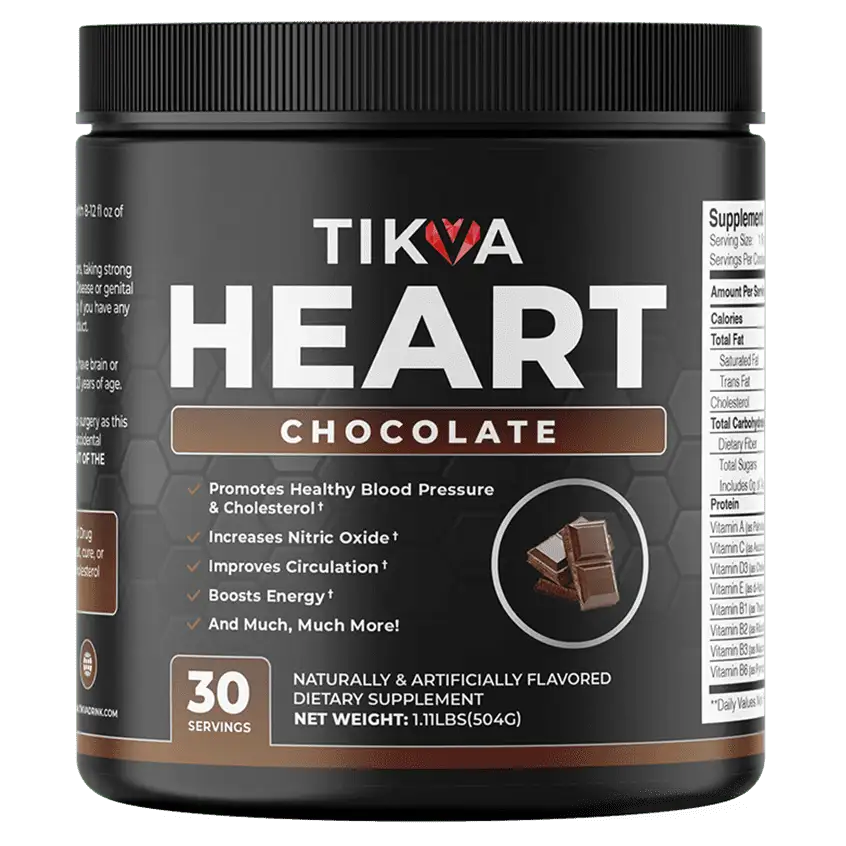
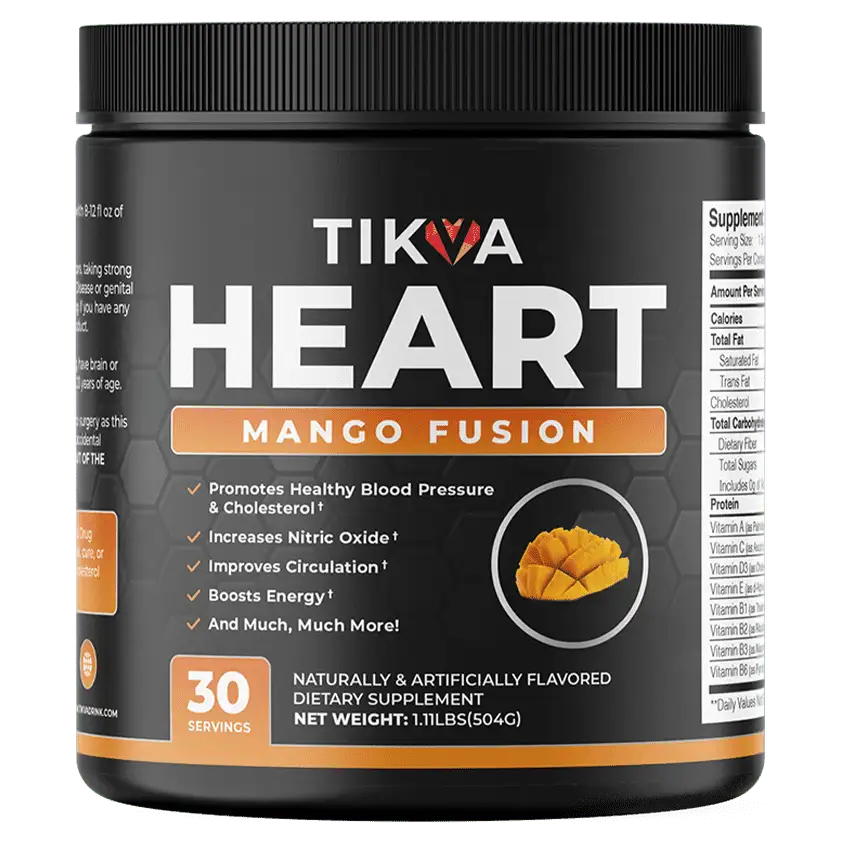
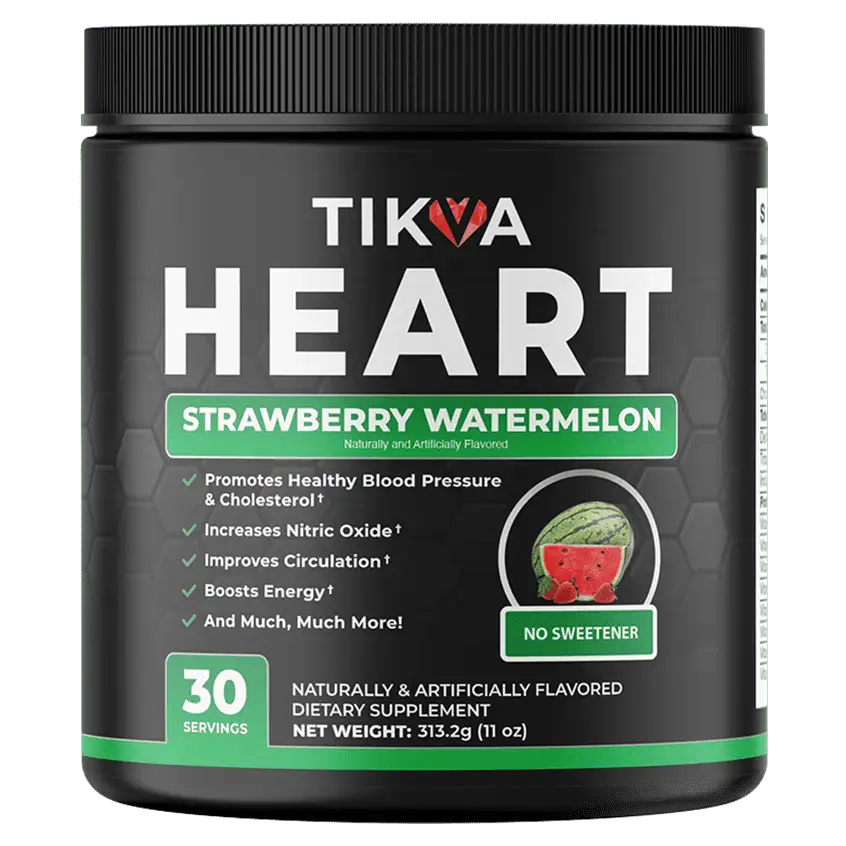
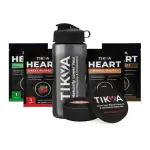
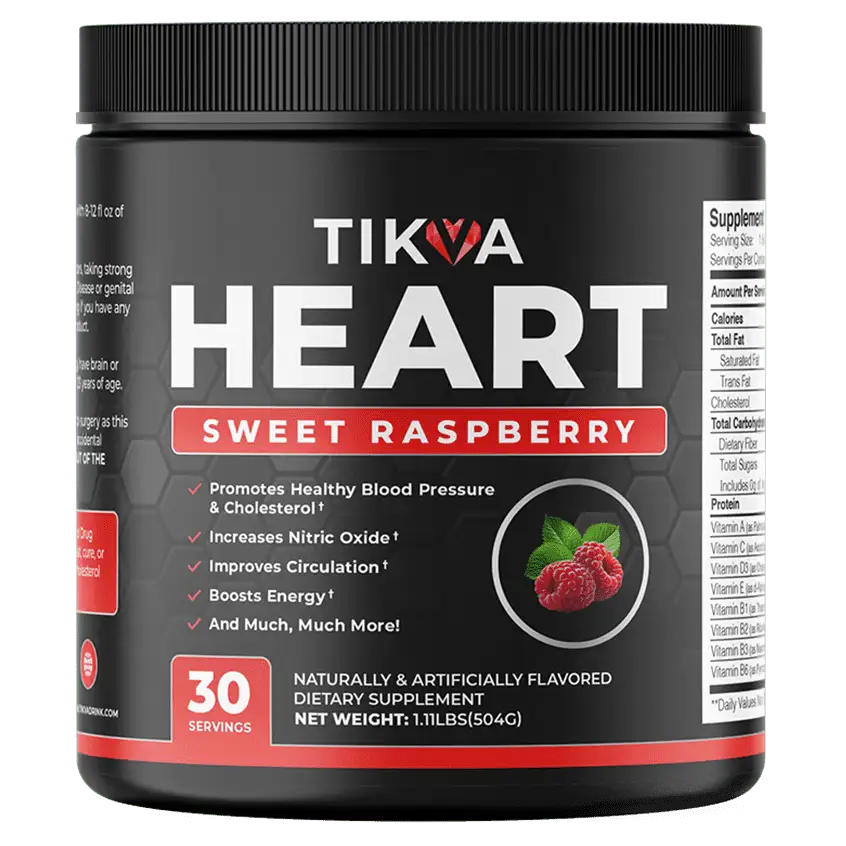
TIKVA HEART is a combination of 32 vitamins, amino acids, minerals, antioxidants and superfoods that target the 12 leading risk factors of cardiovascular disease, including high blood pressure, high cholesterol, heart attacks and strokes.
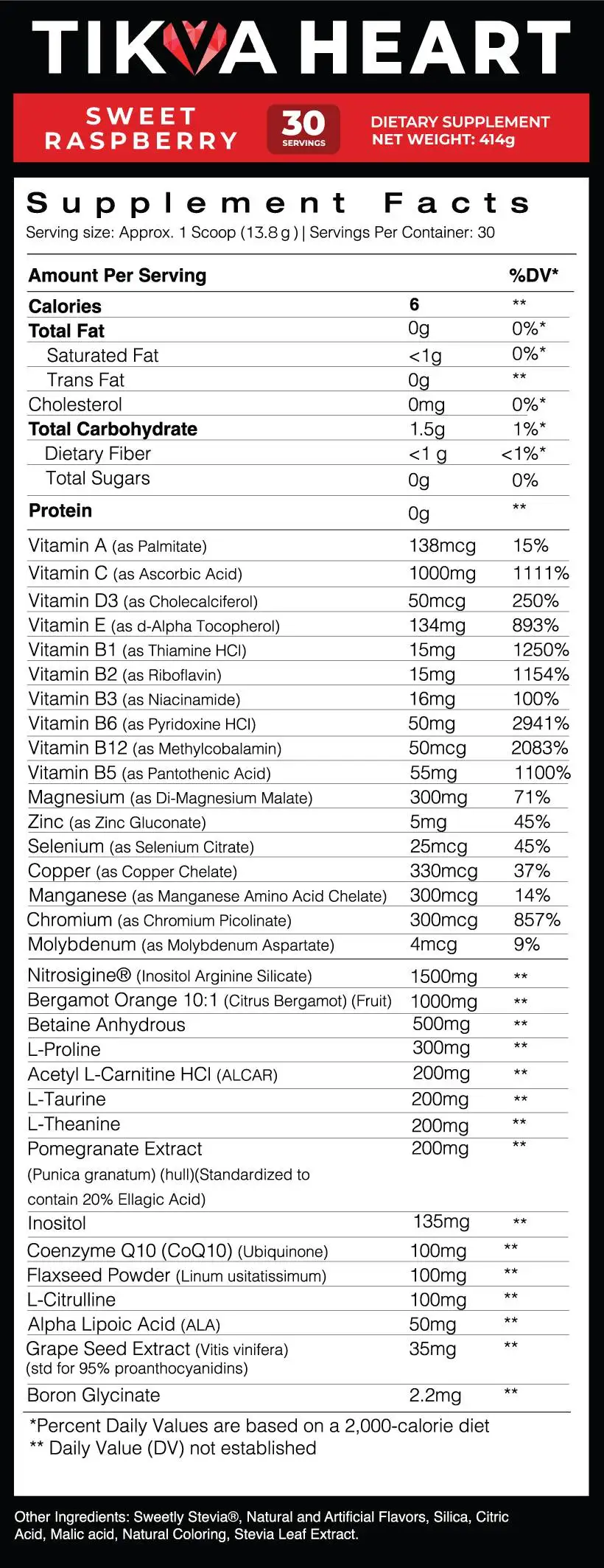
TIKVA HEART uses 138mcg of Vitamin A.
This is 15% of the recommend daily value.
We do not include a lot of Vitamin A since it is fairly easy to get from food sources and too much can cause toxicity.
To learn more about TIKVA HEART and all its benefits
Citations:
[1] American Journal of Clinical Nutrition: “Impact of Vitamin A Supplementation on Childhood Mortality. A Randomized Controlled Community Trial.”
[2] Lancet: “Vitamin A Supplementation and Child Mortality: A Meta-analysis.”
[3] Journal of Nutrition: “Vitamin A and Birth Defects: A Review.”
[4] Dermatologic Clinics: “Use of Systemic Agents in the Treatment of Acne Vulgaris.”
[5] Free Radical Biology and Medicine: “Antioxidants and Cardiovascular Disease.”
[6] American Heart Association: “Antioxidants and Heart Disease.”
L-Theanine
L-theanine in tea leaves supports heart health by reducing stress, promoting relaxation, and enhancing mood
L-Taurine
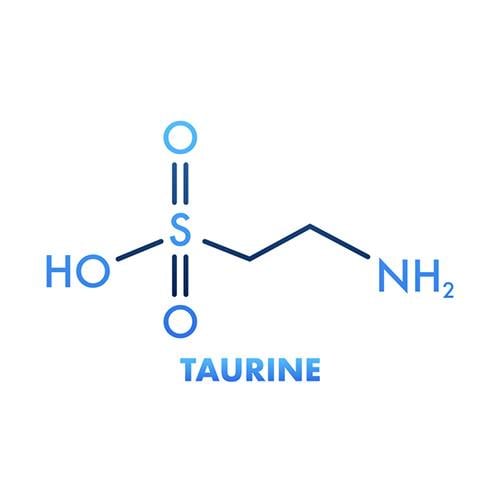
L-taurine supports heart health and muscle function, benefiting cardiovascular wellness and exercise performance.

L-Proline
L-proline is crucial for collagen production, supporting healthy skin, joints, and connective tissues

L-Citrulline
L-citrulline increases nitric oxide production, enhances blood flow, and improves exercise performance.
Acetyl L-Carnitine
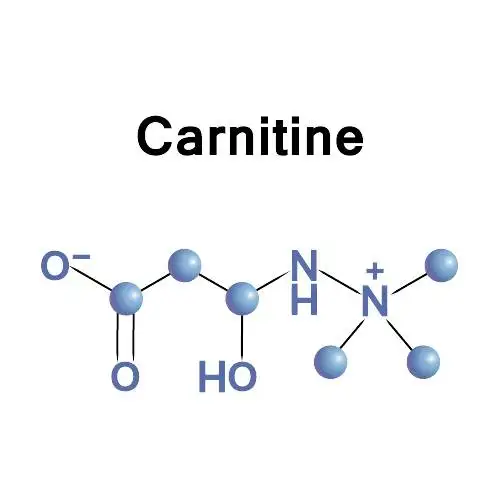
Acetyl L-carnitine supports energy production and brain function, aiding in fat metabolism and cognitive health.
Learn More About L-Carnitine – Click Here
Boron
Boron helps regulate blood pressure & improve bone density.
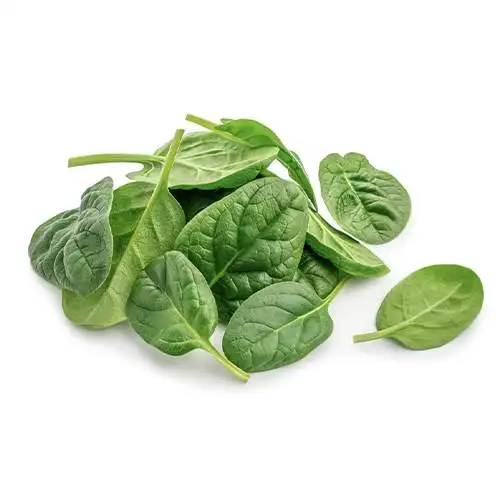
Betaine (Trimethylglycine)
Betaine supports heart health by lowering homocysteine levels, supporting liver function, and enhancing exercise performance.
Learn More About Betaine – Click Here

Inositol
Inositol supports heart health, mood, and reproductive health, potentially aiding conditions like diabetes & depression
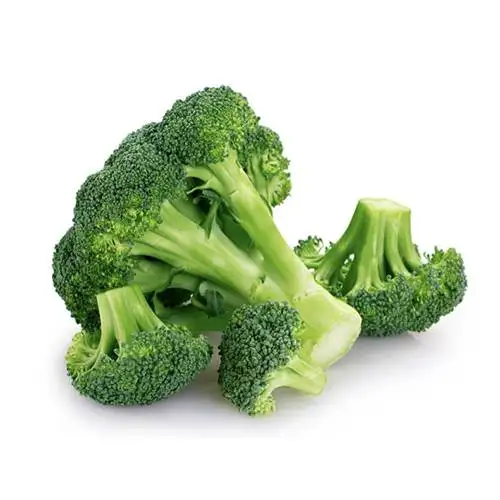
Alpha Lipoic Acid
Alpha lipoic acid, a potent antioxidant, supports heart health by reducing oxidative stress, improving insulin sensitivity, and benefiting nerve health.
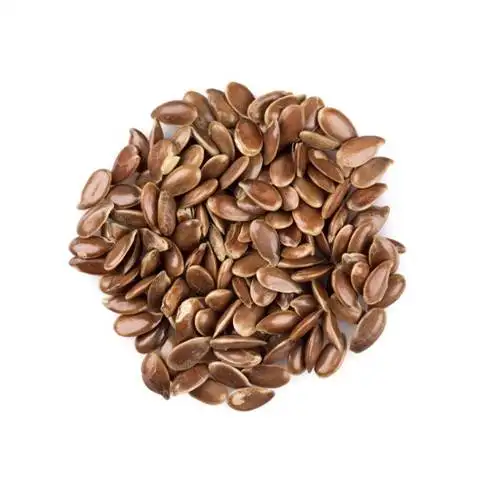
Flax Seed Powder
Flaxseed powder, high in omega-3 fatty acids and lignans, supports heart health by lowering cholesterol, reducing inflammation, and aiding digestion.

Grape Seed Extract
Grape Seed Extract lowers blood pressure, reduces oxidative damage & improves circulation
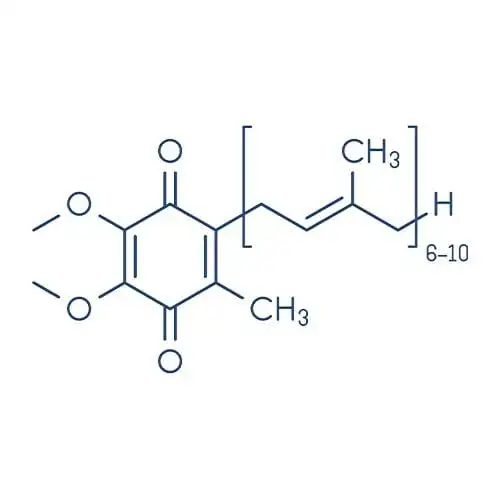
Coenzyme Q10
CoQ10 is an antioxidant that supports cellular energy & heart health
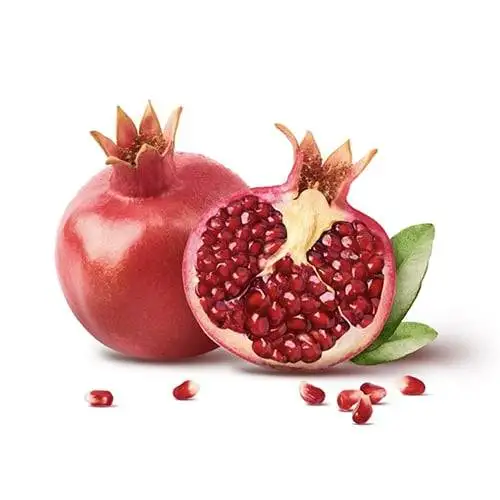
Pomegranate
Pomegranate rich in antioxidants is shown to improve blood pressure and cholesterol

Citrus Bergamot
Citrus Bergamot is renowned for its powerful cholesterol-lowering & antioxidant properties.
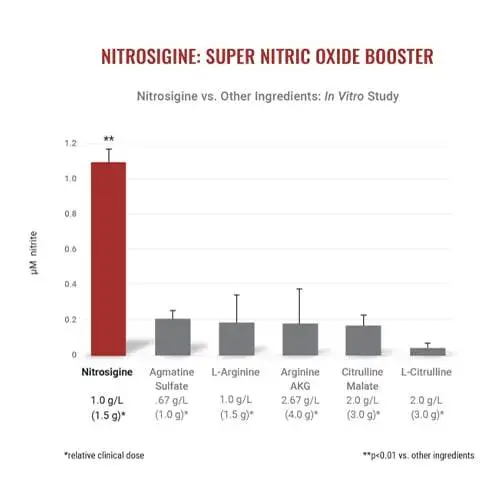
Nitrosigine
Nitrosigine is a patented inositol stabilized arginine silicate shown to:

Molybdenum
Molybdenum is essential for enzyme function, particularly in metabolizing carbohydrates and detoxifying harmful substances.
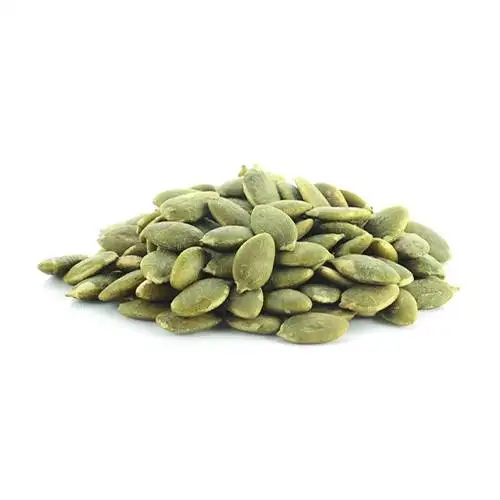
Manganese
Manganese reduces oxidative stress, aids bone formation, and promotes overall well-being.
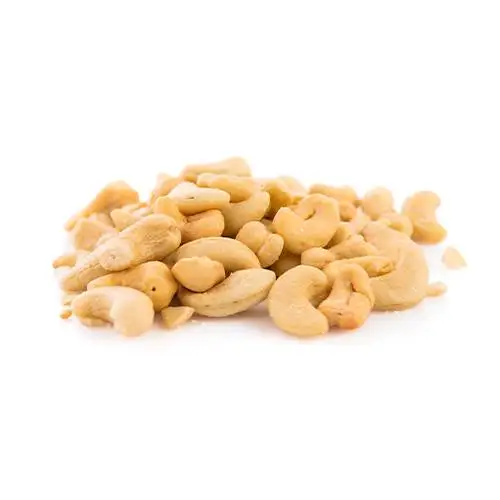
Copper
Copper is crucial for proper enzyme function, iron metabolism, and maintaining healthy connective tissues.

Selenium
Selenium is a potent antioxidant that supports thyroid function and heart health by reducing inflammation and improving lipid profiles.

Chromium
Chromium supports heart health by improving insulin sensitivity, regulating blood sugar, and aiding weight management, especially for those with diabetes.
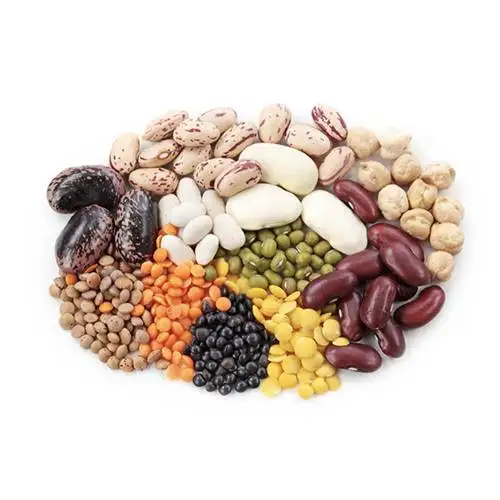
Zinc
Zinc is crucial for immunity, wound healing, and heart health, while also reducing inflammation and protecting against oxidative stress.

Magnesium
Magnesium is important for heart health and rhythm, playing key roles in muscle function, energy production, and bone strength.
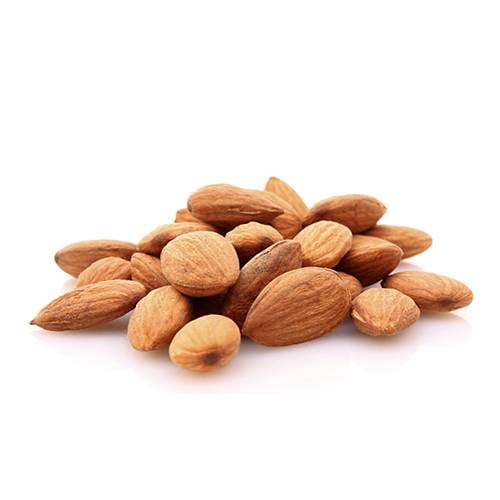
Vitamin E, a potent antioxidant, protects cells, supports immunity, and promotes heart health

Vitamin D3
Vitamin D3 is vital for heart health, immunity, mood regulation & absorption of essential minerals

Vitamin C
Vitamin C is best know for its antioxidant and immune boosting effects

Vitamin B12
Vitamin B12 aids in red blood cell production and regulating homocysteine levels.

Vitamin B6
Vitamin B6 is important for homocysteine metabolism, neurotransmitter synthesis, and immune function, supporting overall cardiovascular function and well-being.

Vitamin B5
Vitamin B5 (pantothenic acid) is essential for energy metabolism, hormone synthesis, and overall cellular function.
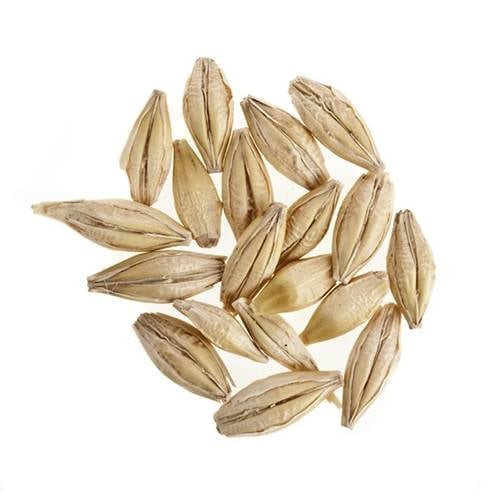
Vitamin B3
Vitamin B3 (niacinamide) improves cardiovascular health, overall health, metabolism and cellular function
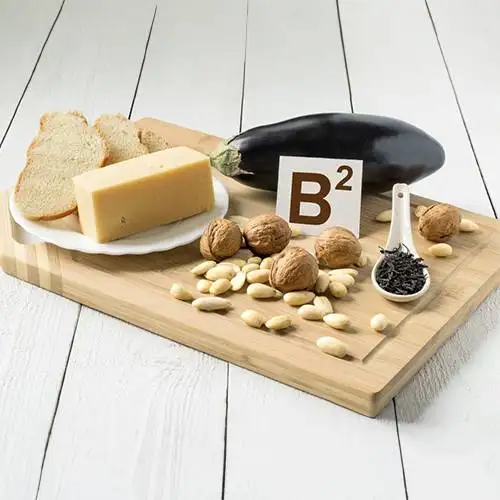
Vitamin B2
Vitamin B2 (Riboflavin) supports energy metabolism &antioxidant defense mechanisms, essential for maintaining cardiac function and overall well-being
Vitamin B1
Vitamin B1 (Thiamin), is important for energy metabolism, nerve function & heart health

Vitamin A
Vitamin A is essential for maintaining healthy vision, supporting immune function, and promoting cell growth and development.
Looks like you haven't made a choice yet.